TRUSTED IN ROAN MOUNTAIN
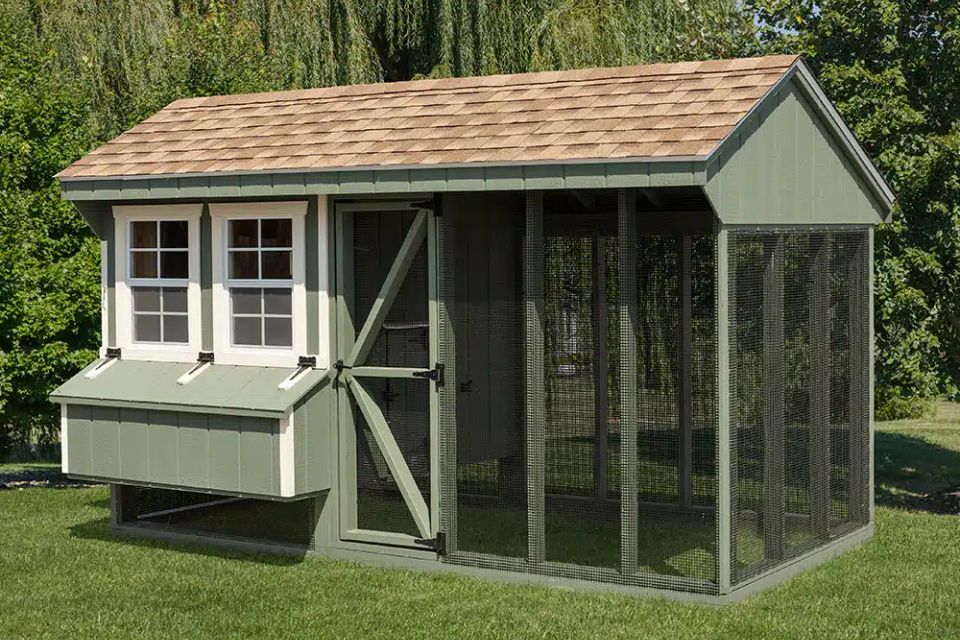
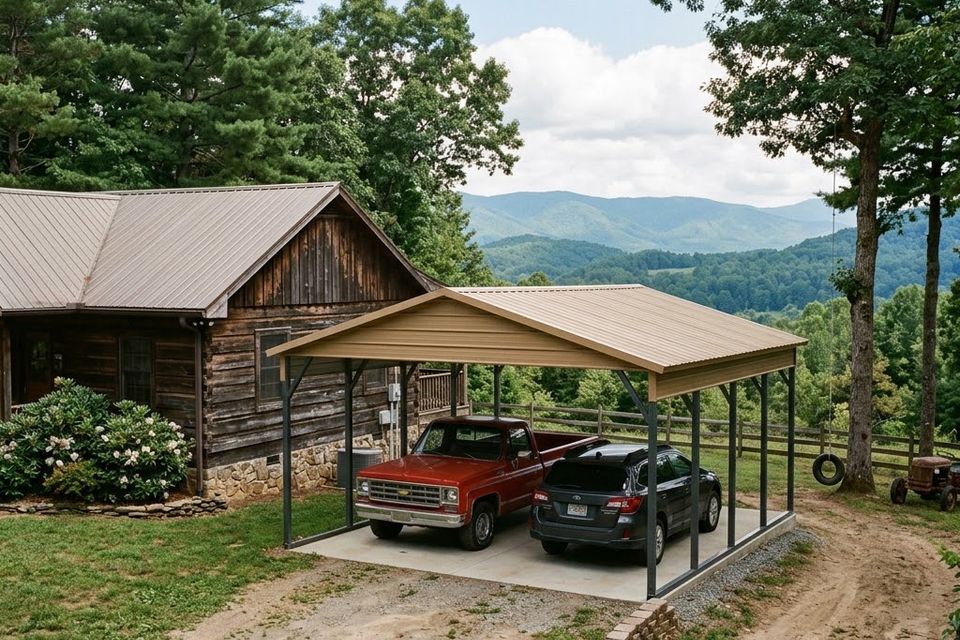
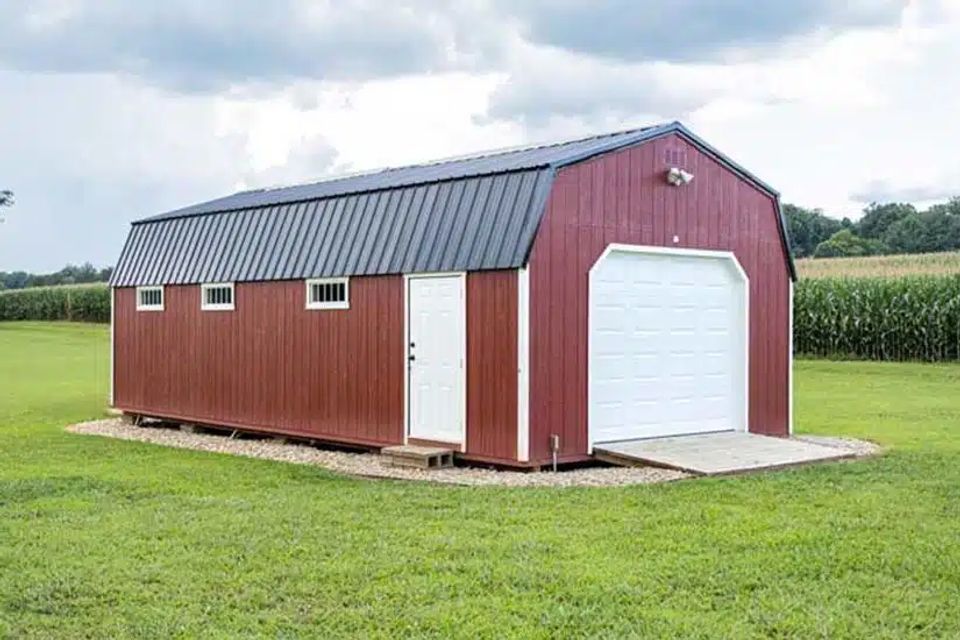
Sheds and Carports in Roan Mountain
High-elevation living in Carter County brings severe winter freezes, heavy snowpack, and fierce mountain ridge winds that take a brutal toll on exposed property. Leaving trucks, snow removal equipment, outdoor tools, and dry firewood out in the elements leads to frozen engines, rotted wood, and damaged machinery. Steep, rocky lot layouts make everyday storage a challenge, especially when standard outbuildings cannot handle heavy snow loads or high-altitude weather shifts. You need rugged, reinforced outdoor structures designed to endure harsh mountain winters and keep your property fully protected year-round.